Young Leaders, Present Church
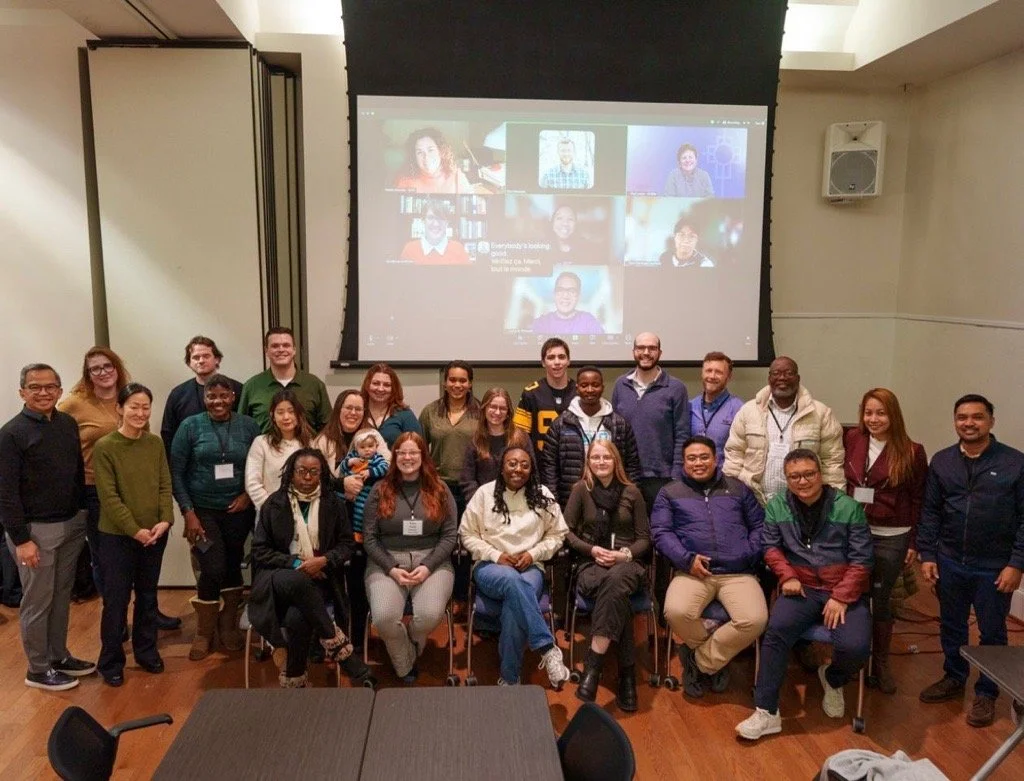
Young People’s Connectional Network
United Methodist Building (Washington D.C.)
January 2025
Listening to the Co-Chairs of the Young People’s Connectional Network
As The United Methodist Church continues to live into its identity, leadership, and calling, young people are not waiting quietly on the margins. Across the connection, they are asking hard questions, naming real challenges, and offering faithful leadership rooted in hope, justice, and deep love for the Church.
This January, GCORR is honored to feature the co-chairs of the Young People’s Connectional Network (YPCN), a body formed at the 2020/2024 General Conference to advocate for the full participation of young people at every level of the Church, build global partnerships, and empower young people to make world-changing disciples of Jesus Christ.
Together, Rev. Tess Welch and Dave Uriel Angelo Rombaoa embody what it looks like when young leaders are trusted not just to show up but to lead.
Saying Yes to the Call
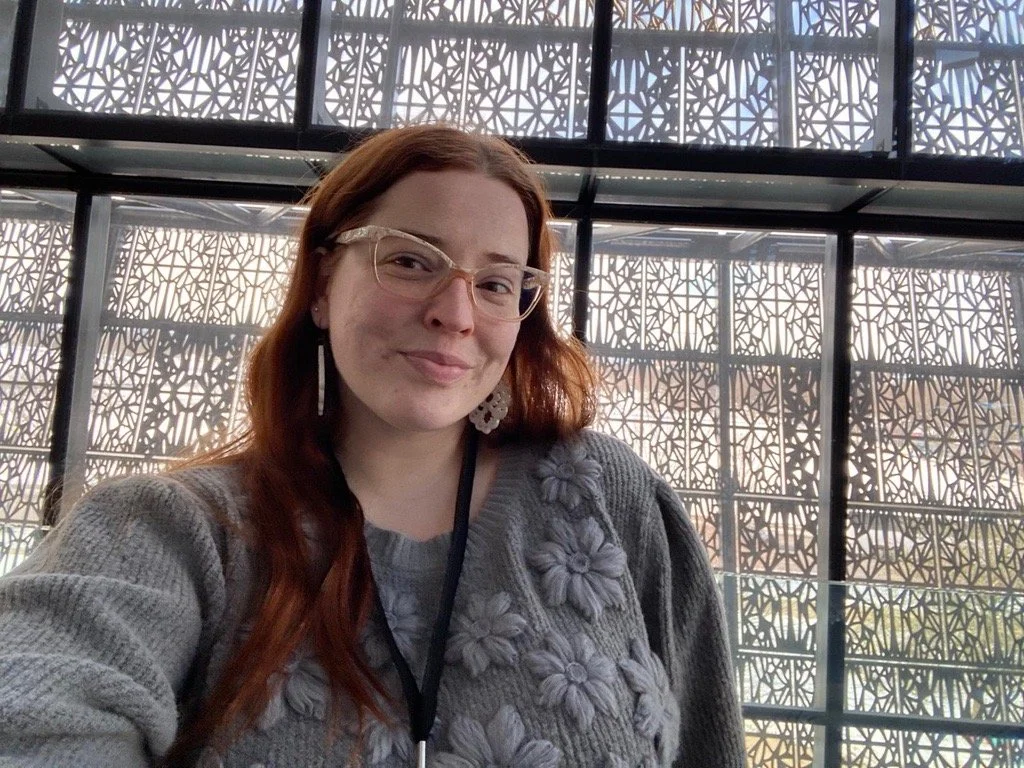
Rev. Tess Welch
Rev. Tess Welch is a newly provisional elder in the Kentucky Annual Conference and serves as the young adult co-chair of YPCN. Her decision to apply, she recalls, was shaped by prayer and discernment. So much so that she completed her application during a prayer walk.
“From the beginning, I’ve felt strongly that YPCN was a place where God was drawing me to use the gifts God has given me,” she shares. “At our organizing meeting, I discerned that same drawing to serve in leadership.”
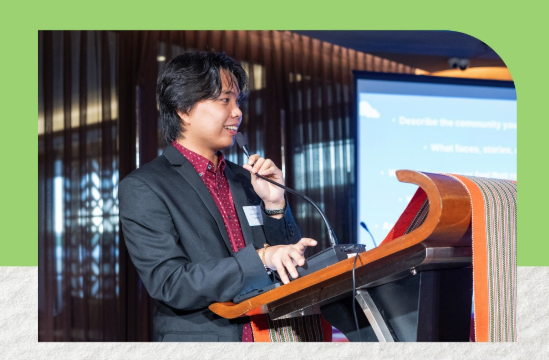
Dave Uriel Angelo Rombaoa
Dave Uriel Angelo Rombaoa, the youth co-chair of YPCN, comes to the role shaped by years of leadership in the United Methodist Youth Fellowship in the Philippines (UMYFP). Currently serving as President of the National UMYFP of the Philippines Regional Conference and as Connectional Conversations Chair of the Connectional Table, Dave admits that becoming a YPCN co-chair was not something he planned.
“I was honestly caught off guard when I was nominated,” he reflects. “But saying yes wasn’t about being fully ready or holding a position. It was about showing up with a willing heart and taking responsibility for the young people whose voices needed space.”
For both leaders, YPCN represents more than a committee. It is a space where listening becomes action, and representation moves beyond symbolism.
What Young People Are Naming
Over the past year, YPCN has intentionally listened to young people across the global Church. Rev. Tess notes that more than 600 youth, young adults, and leaders responded to surveys and listening efforts—and the themes were strikingly consistent across regions.
“Young people are naming disconnection and isolation, outdated discipleship models, gaps in mentorship, and growing socio-economic pressures,” she says. “They often feel excluded from leadership and unsupported in navigating faith alongside real-life challenges.”
Yet neither Tess nor Dave describes young people as disengaged.
Instead, Dave hears a deep longing for authenticity and trust. “Many young people desire to belong without having to prove their worthiness,” he explains. “They want a Church that listens before it reacts and practices justice as faithfully as it proclaims grace.”
Young people, he adds, are discerning carefully whether the Church’s actions align with its stated commitments to inclusion and equity.
From Presence to Participation
For both co-chairs, “full participation” goes far beyond simply having young people present in the room.
“Wherever the United Methodist Church is, young people should be there also,” Rev. Tess says. “From the missions of a local church to the missions of our global church, from the parish pulpit to the stage of General Conference, wherever the UMC is, we should be striving to make opportunities for young people.”
Dave names the deeper shift required: “Full participation means shared power, not just shared space. It’s the move from being guests at the table to being trusted partners there.”
That trust, he notes, must be accompanied by mentorship, accompaniment, and a willingness to allow young people to lead—even imperfectly.
Hope Rooted in God’s Faithfulness
In a time marked by division and uncertainty, Rev. Tess is clear about where her hope lies.
“The only thing that gives me true hope is God,” she says. “Often it’s in the darker moments that we see God’s light at work most clearly.”
She points to signs of renewal across the Church: new church plants emerging after disaffiliation, healing within recovery communities, and seminarians being formed with both theological depth and spiritual grounding.
Dave, too, carries a hopeful vision—one shaped by the global Church. He points to young People of Color and young leaders from outside the U.S. who are leading through lived theology, naming injustice with clarity, and modeling solidarity across borders.
In the Philippines, the UMYFP is entering a new biennium under the theme Tahanan, which means home in Tagalog.
“I see this as a vision for the Church,” Dave says. “A just and inclusive home where everyone is welcomed, accepted, and loved.”
An Invitation Forward
When asked what they would say to young people who feel a nudge toward leadership but don’t yet see themselves as leaders, Rev. Tess turns to Scripture.
“The Bible is full of people who defied traditional ideas of leadership—Mary, David, Ruth, Mary Magdalene, Paul,” she reflects. “If God is not limited by our definitions of leadership, we shouldn’t exclude ourselves either.”
Her encouragement is simple but profound: pray, ask questions, talk with trusted leaders, and seek companions who can walk alongside you in discernment.
Dave echoes that invitation with a broader hope for the Church itself. He envisions a Church that tells the truth about its past, takes responsibility in the present, and imagines the future with courage.
“A Church where justice is not a side ministry, inclusion is not conditional, and leadership is genuinely shared,” he says. “A Church that reflects God’s love not only in what it believes, but in how it lives.”
As GCORR launches this new monthly series uplifting emerging leaders and young voices, we do so with gratitude for leaders like Rev. Tess Welch and Dave Uriel Angelo Rombaoa, and for the many young people across our connection who are already shaping the Church today.
Learn More & Get Involved
As part of YPCN’s ongoing work to equip and empower young leaders across the global connection, they have launched a new cohort program:
Connected in Spirit is a 12-month leadership development program for young adults within the global United Methodist Connection. Participants will join regionally based digital cohorts and engage in monthly sessions focused on theological reflection, community building, and leadership skills, all grounded in the Wesleyan tradition. The program emphasizes spiritual growth, mental health awareness, and inclusive leadership, equipping young leaders with the tools to serve both their communities and the Church effectively.
YPCN is currently accepting applications for leaders of these cohorts through March 15. Applications for participants will open later this spring.
If you are interested in leading a cohort, applications are available in five languages:
English: https://forms.gle/b6azYgA4AEsxs46n8
Portuguese: https://forms.gle/6b1gPqdfyXrrWN149
Swahili: https://forms.gle/XB7dHHVkDcbFFs4A8
For more information about the Young People’s Connectional Network (YPCN) and its work across The United Methodist Church, visit umcyoungpeople.org